What’s Changing in Mass Participation Sports Events
Mass participation sports events are changing, and not in the way most organisers expect.
From city marathons and fun runs to triathlons and more intense races, participation numbers remain strong and even growing. Interest is high. New formats keep emerging such as Hyrox, DekaFit, and other boutique fitness events. On the surface, the industry looks healthy.
But underneath that growth, something more fundamental has shifted.
Understanding this shift is now essential for organisers and brands shaping the future of mass participation sports. Not because people are running more or less, but because why people participate, and what they expect in return, has changed.
In this series, we explore what’s changing across mass participation sports events, why traditional models are starting to fall short, and how organisers and sponsors can adapt to what comes next.
Key Takeaways
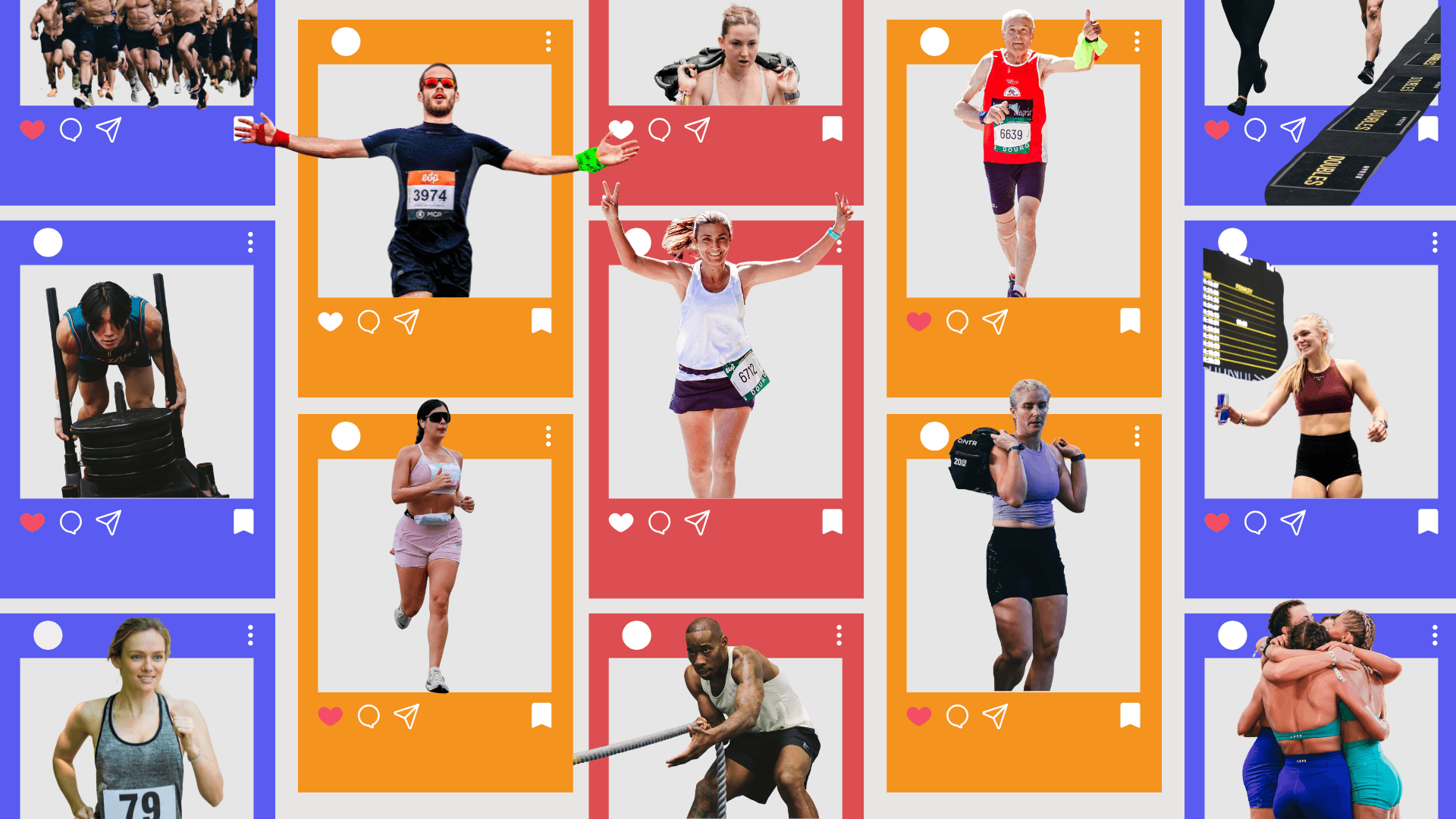
Participation has changed. Mass participation sports now live on social media shaped by Gen Z, women, and other digital-native audiences.
Events now compete for attention, not just registrations. Discovery, validation, and memory happen online, often through user-generated content (UGC).
Post-event content is a weak link. Many events still treat media as documentation, not participant recognition, creating frustration and missed momentum.
The next era will reward readiness. Events that embed recognition into the experience, e.g. personalised finisher videos, will be better positioned to grow, retain, and differentiate.
A Brief History of Participation Sports
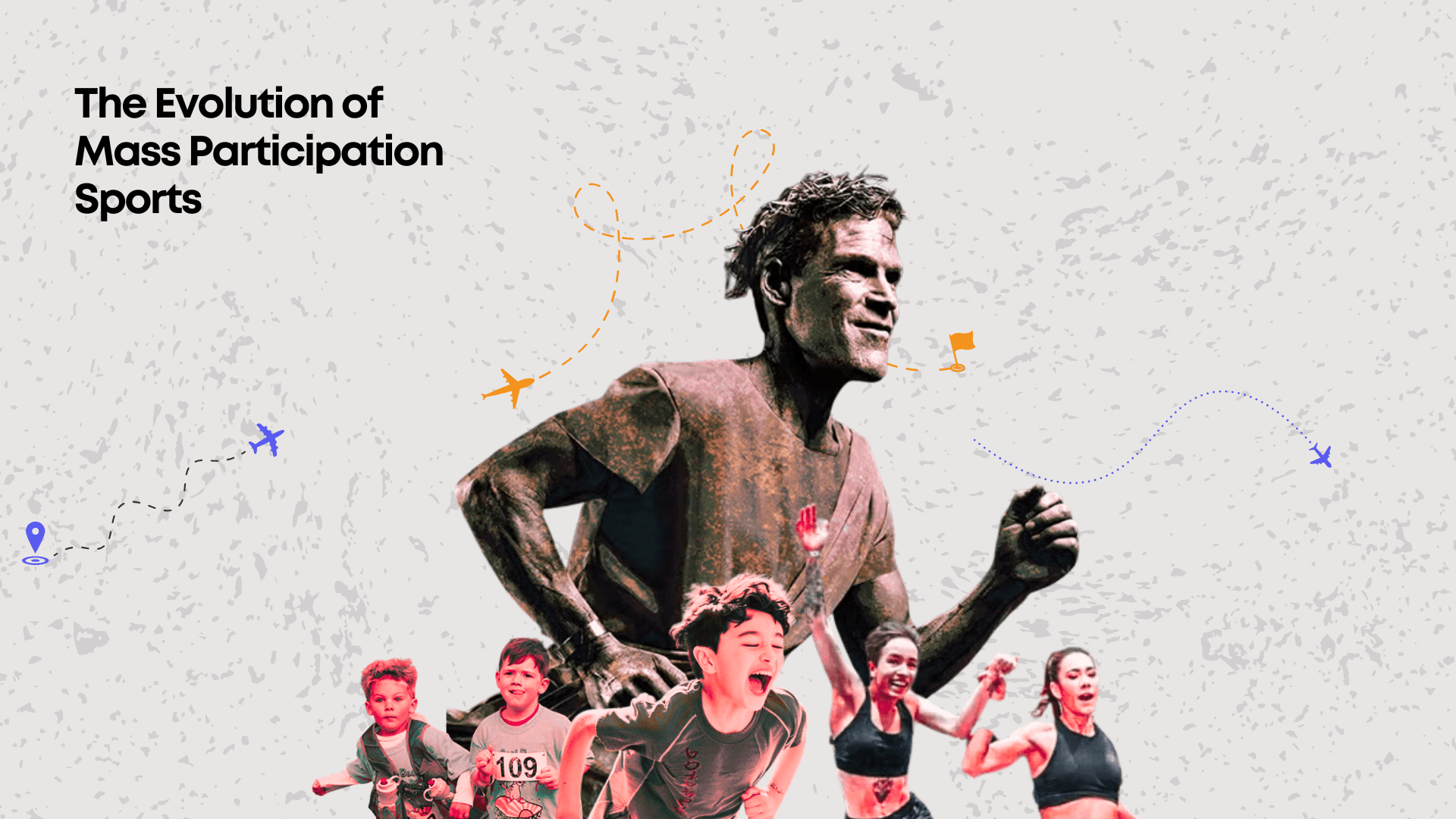
Participation sports did not start out as mass culture. For much of the 20th century, these races were designed for fast, competitive athletes.
Even today’s biggest events started this way. The Boston Marathon, inspired by the Olympics, was men-only for 70 years. The same was true of IRONMAN, created as a test of athletic supremacy between swimmers, cyclists, and runners.
The first major shift came in the 1970s, when events moved from elite sport to mainstream fitness. However, this boom was largely concentrated in the United States and still projected a very specific image: mostly male and unapologetically elite.
That model shifted in the late 2000s and early 2010s as events swung toward inclusion. Millennials prioritised participation over winning, fueling experience-led formats such as Zumba, colour runs, no-score games and the global rise of Parkrun. The barrier to entry dropped, intimidation faded, and millions tried events for the first time. However, removing competition entirely proved unsustainable and registrations began to dip.
What followed was a recalibration. Since the pandemic, participation has surged again. But this time, there’s a clear balance between accessibility and competition.
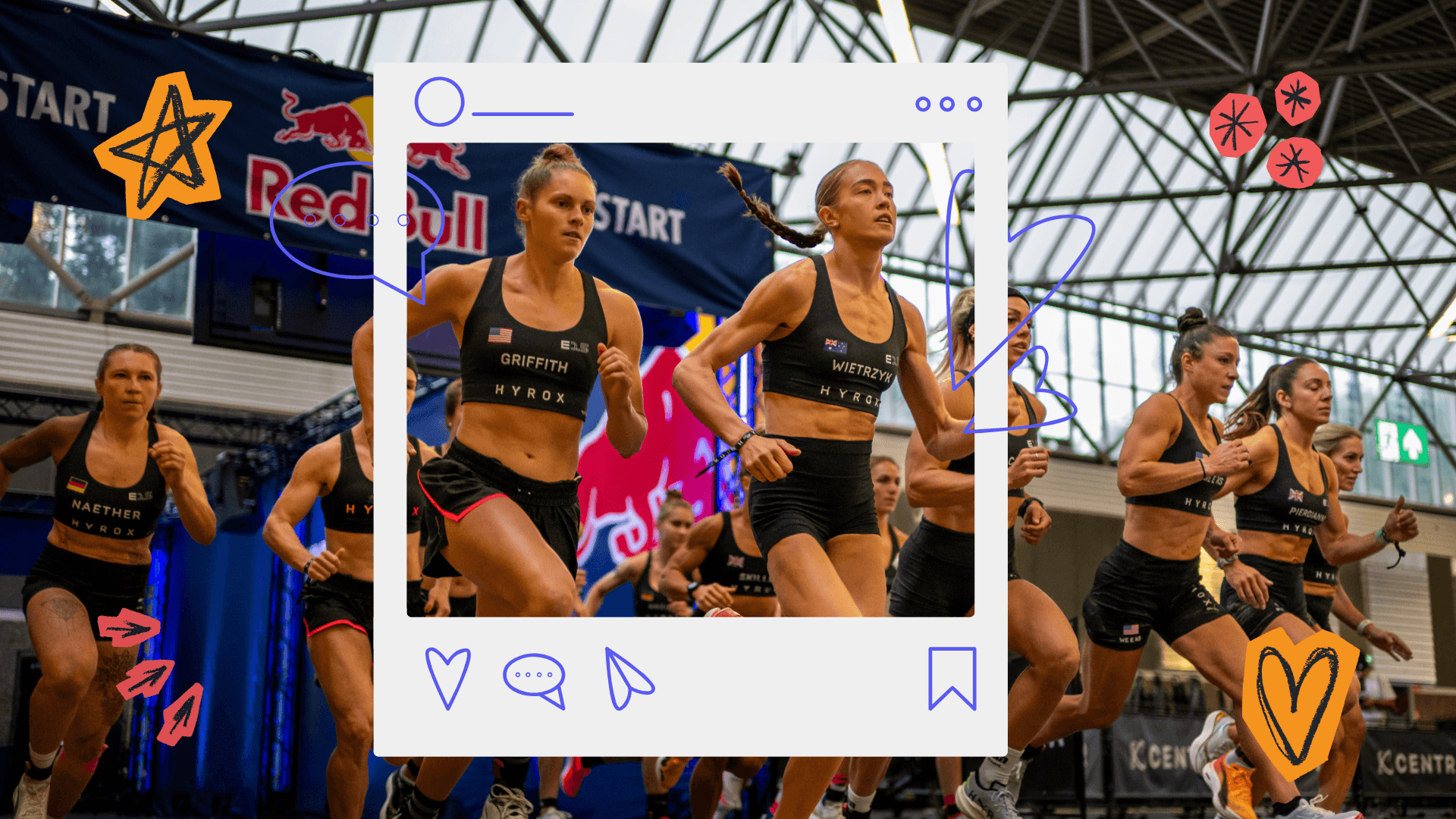
This shift has accelerated with the rise of hybrid formats like HYROX, DEKAFit, and Deadly Dozen, which draw gym-goers and first-timers into competitive environments.
Inclusivity has reached a new peak, with events designed for a far wider range of ages, genders, and fitness levels. Even the dating app, Tinder, co-hosted run clubs.
Running stopped being a subculture and became a social norm.
This latest boom did not happen because people suddenly became more athletic. It rose because of the new participants, and with them, expectations of what events should deliver.
For a deeper look at how participation sports evolved from elite competition to mass culture, explore the full timeline in The Evolution of Participation Sports.
The Participant Profile Has Changed
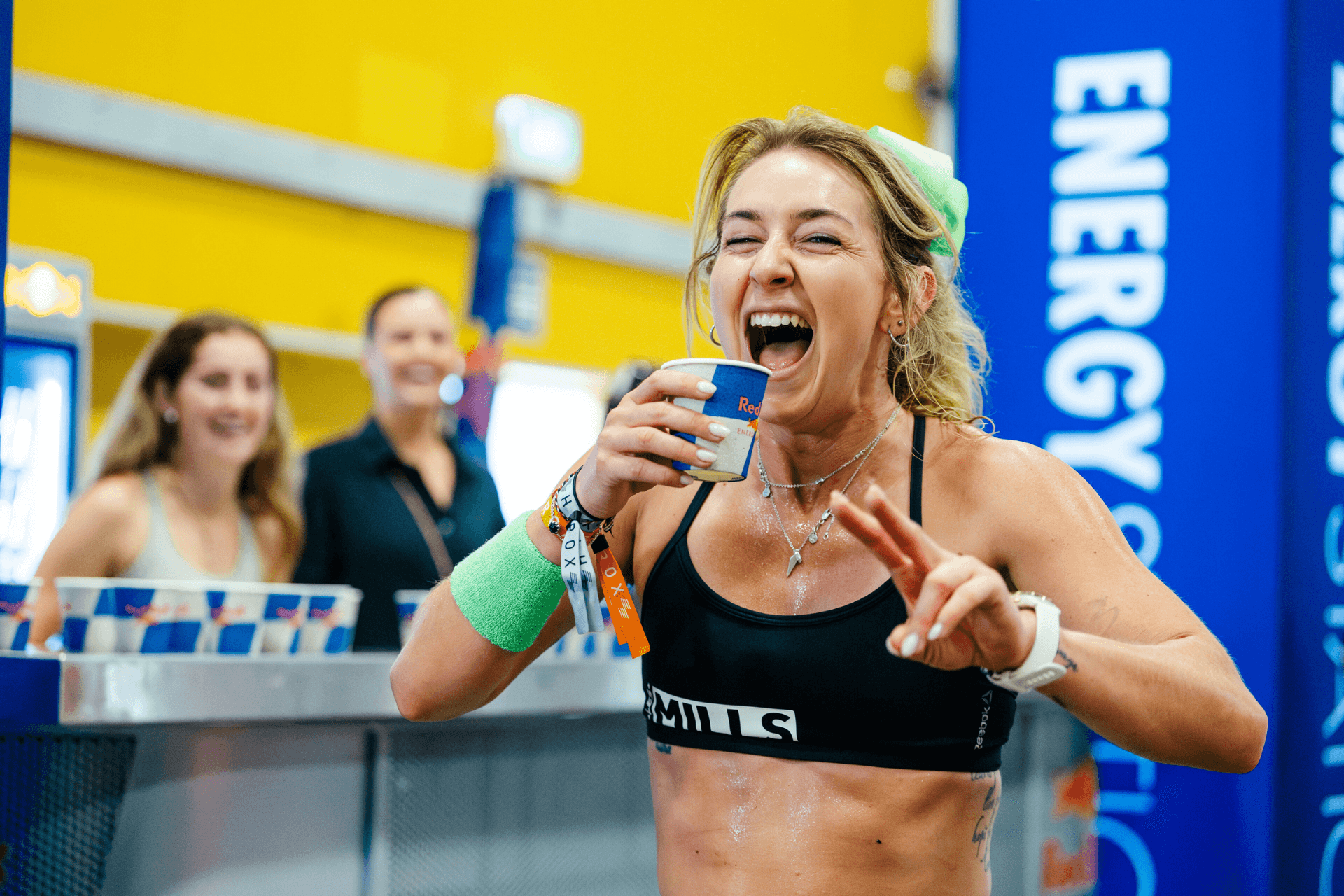
A large share of today’s participants are relatively new to mass participation sports. Many only started in the last few years.
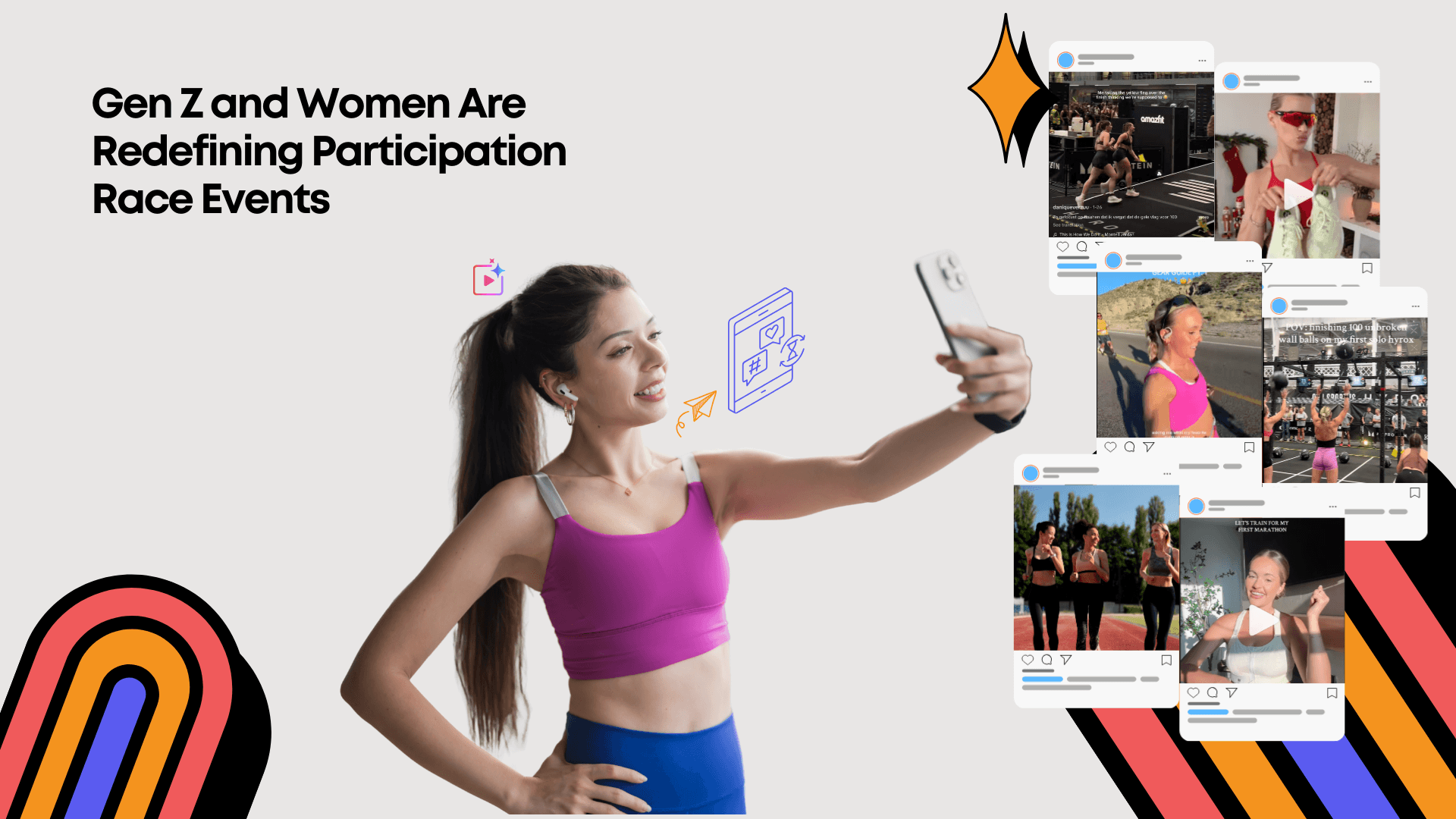
This newer audience skews younger, more female, and more digitally native. They are well-educated, experience-driven, and selective about where they spend time and money.
In practice, this group behaves differently.
They treat events as lifestyle experiences, not one-off physical challenges. They invest time, travel, and money, but only when the experience feels worth it. And they expect to see themselves, their effort, and their communities reflected in the event itself.
This is not a marginal shift. It changes how events are discovered, evaluated, shared, and remembered.
The Social Participation Era Has Arrived
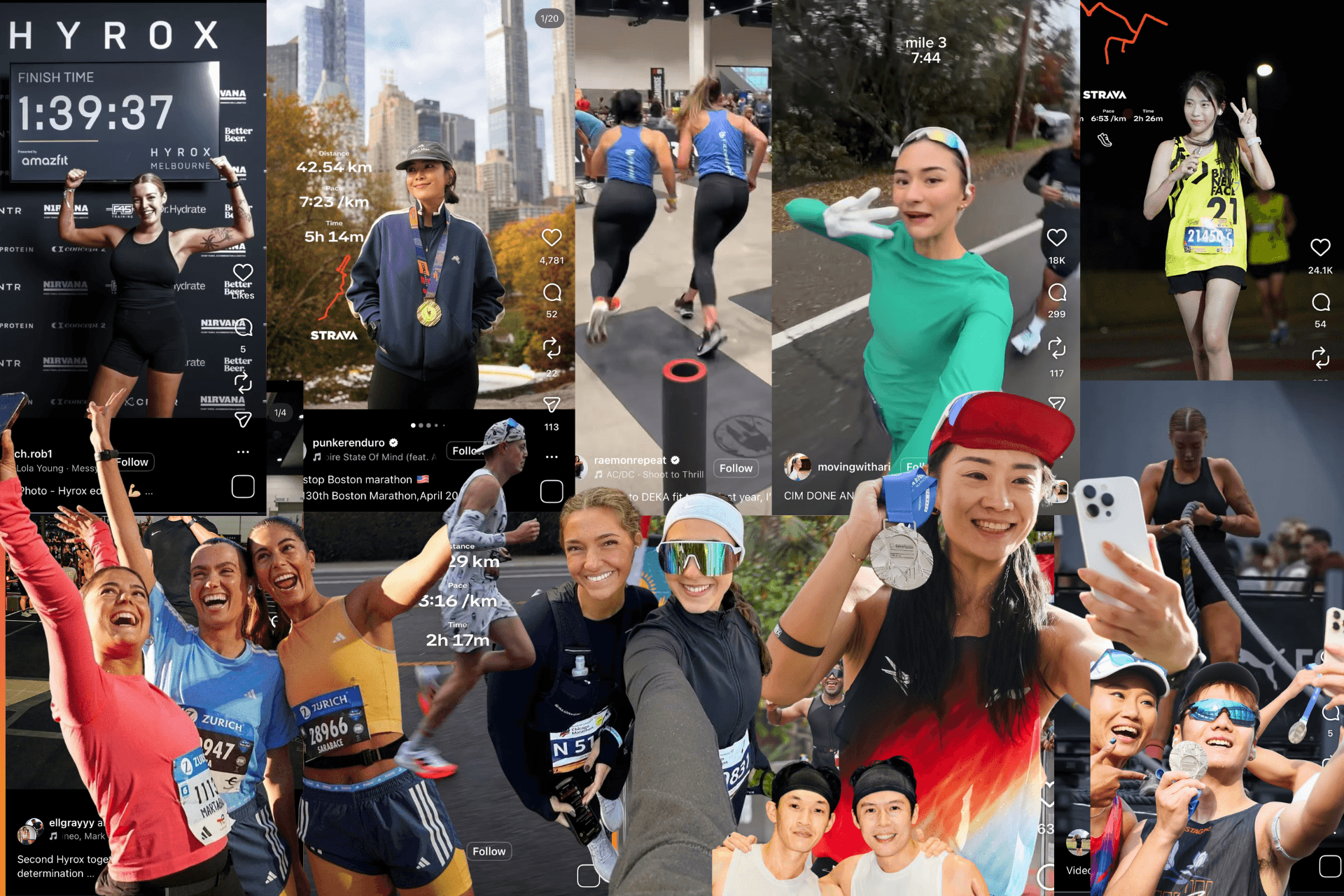
With this new audience has come a new culture of participation.
Running a marathon, completing a triathlon, or finishing a fun run used to be a largely private achievement. The finish line used to mark the end of participation. Receiving a medal or certificate felt like enough proof of the experience. That’s not the case now.
Today, participation is increasingly digital, visible, and social. The sense of pride lives on phones, in social media feeds, and in stories shared after crossing the line.
This marks the arrival of the Social Participation Era.
Events are discovered through friends, gyms, and training communities on social media. They are validated through shared experience in forums, groups, and comment sections. And they are remembered through digital content — videos, photos, and stories — rather than physical keepsakes alone.
Simply put, participation sports now follow the familiar arc of a social media trend: discovered online, amplified by visibility, and sustained through sharing.
Some formats were designed for this reality in mind. In events like HYROX, social sharing is not an afterthought. It is part of the experience.
This shift shapes how events are talked about, recommended, and returned to. Events that fail to support it risk losing organic reach that is difficult and expensive, to replace with traditional marketing.
This shift is explored in depth in How Social Media Is Reshaping Mass Participation Sports.
Recognition Is the New Language of Participation
Recognition is no longer a bonus in participation sports. It is a core reason people show up.
Finishing still matters, but finishing without recognition increasingly feels incomplete.
Participants want proof of participation. Something to revisit. Something to share. Something that signals achievement to others. When the emotional high of race day fades, what remains are the stories, videos, photos and other digital footprints that confirm: this happened, and it mattered.
As a result, participants increasingly expect to see themselves, and their full experience, reflected throughout the event journey.
That is why podiums, leaderboards, timing data, race photography and videography, patches, and other post-worthy moments have become integral to the experience. They translate effort into visibility. They allow participants and finishers to express identity.
Recognition, in short, has become social currency.
This expectation shows up clearly after races. When recognition is missing, participants notice. Social feeds and forums fill with participants searching for photos, clips, or a finisher video, captured at a specific moment on the course.
Some pioneering events have already adapted and, for participants who experience strong recognition once, it quickly becomes the benchmark. This makes it harder for other events to keep up later.
This gap between how events are designed and how participation is now experienced is becoming harder to ignore.
HYROX Shows What This New Era Looks Like in Practice
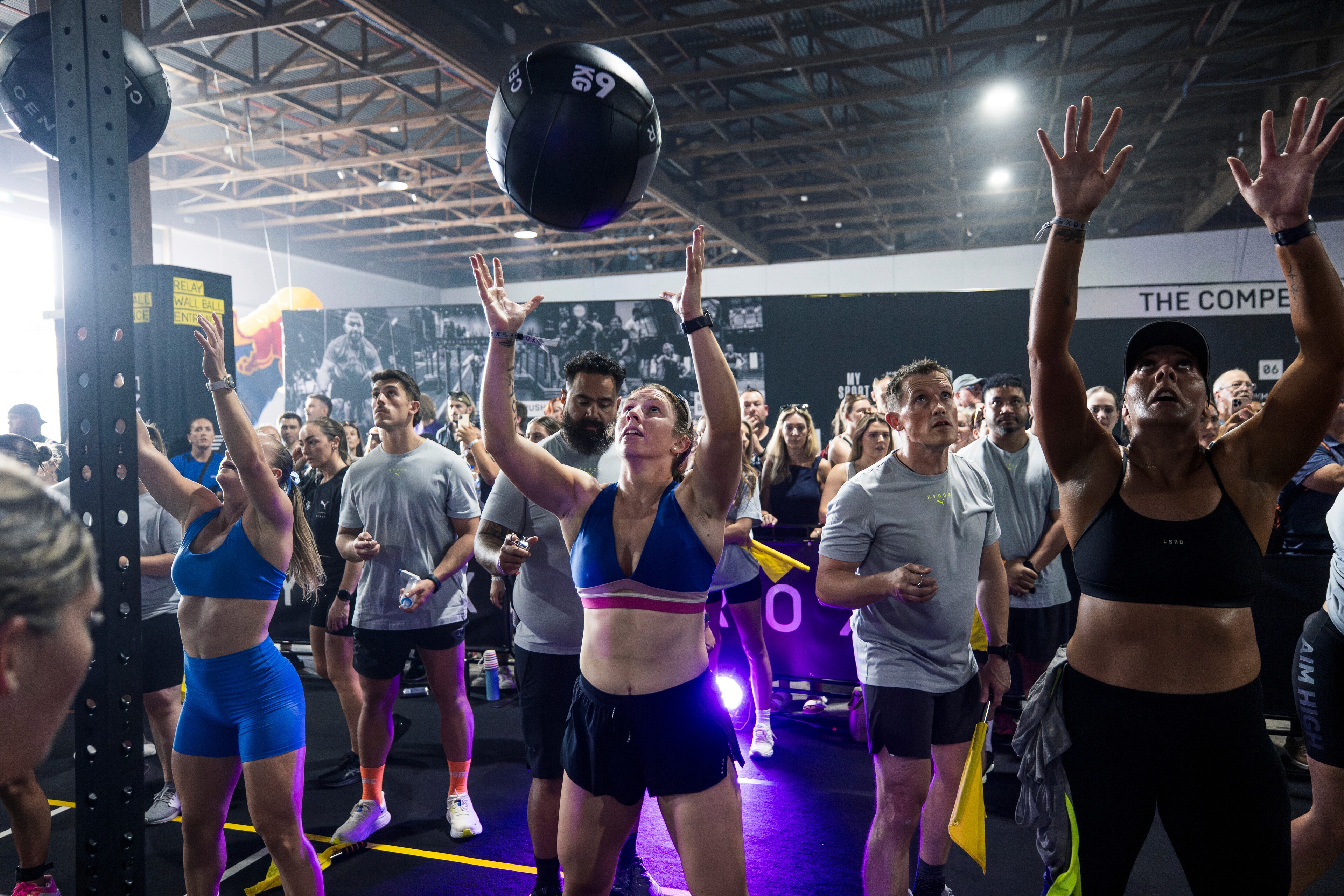
If the Social Participation Era has a leading example, it is HYROX.
HYROX was not built for elite endurance athletes. It was designed for everyday gym-goers. As its tagline puts it: “the fitness competition for everybody.”
Its real advantage, though, extends beyond accessibility or who it welcomes. It lies in how participation travels.
From the outset, HYROX was designed to move through social media.
Patches are worn on gym bags, not stored in drawers. Timing chips break down every segment. “Run Club Tuesdays” prompt participants to tag their gyms on social media. Posting is encouraged before race day, during competition, and long after finishing.
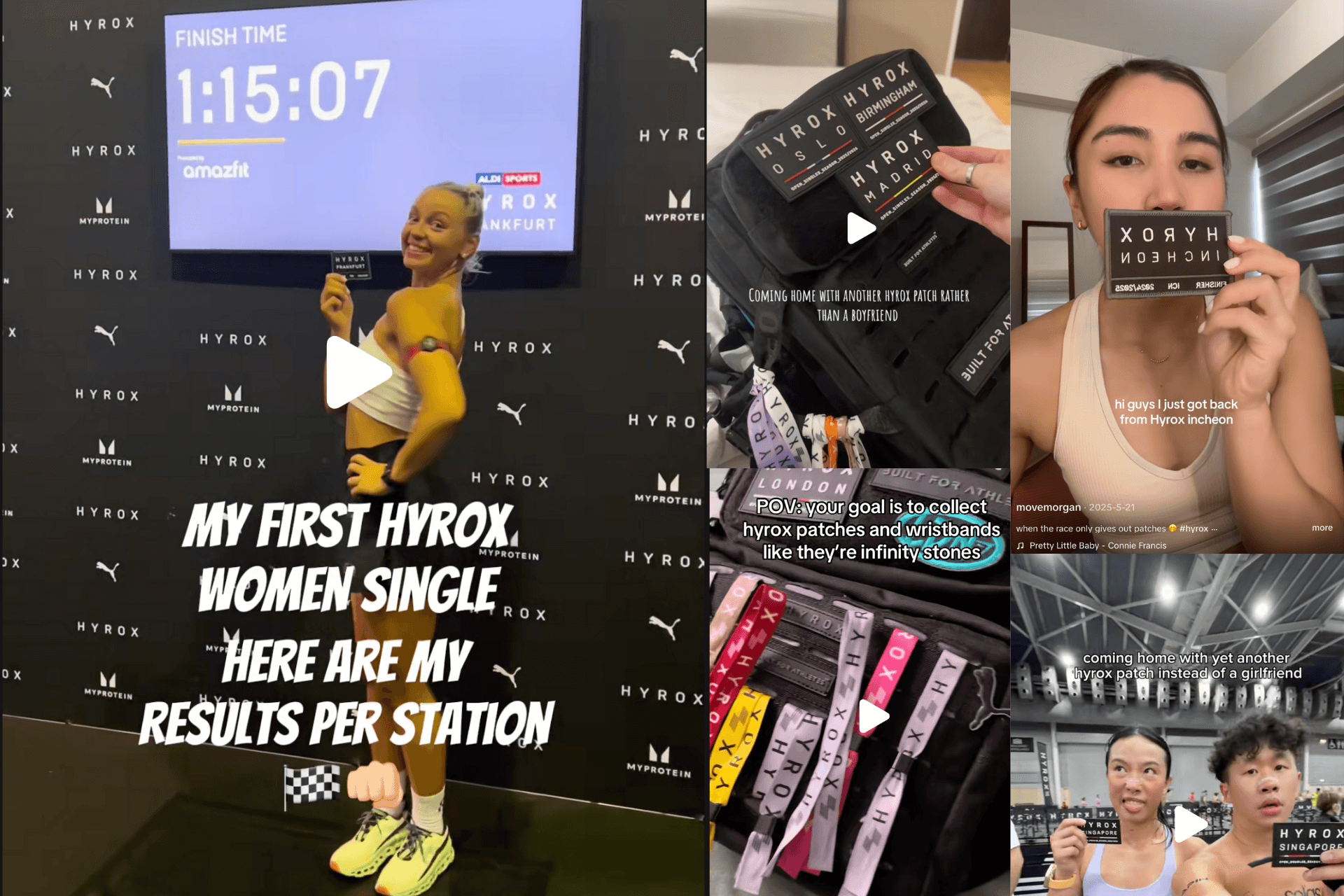
HYROX turns participation into content, and content into growth. Every finisher becomes a distributor. Every gym becomes a node. Every race extends far beyond the arena through Instagram stories, TikTok clips, and training posts that document the journey as much as the result.
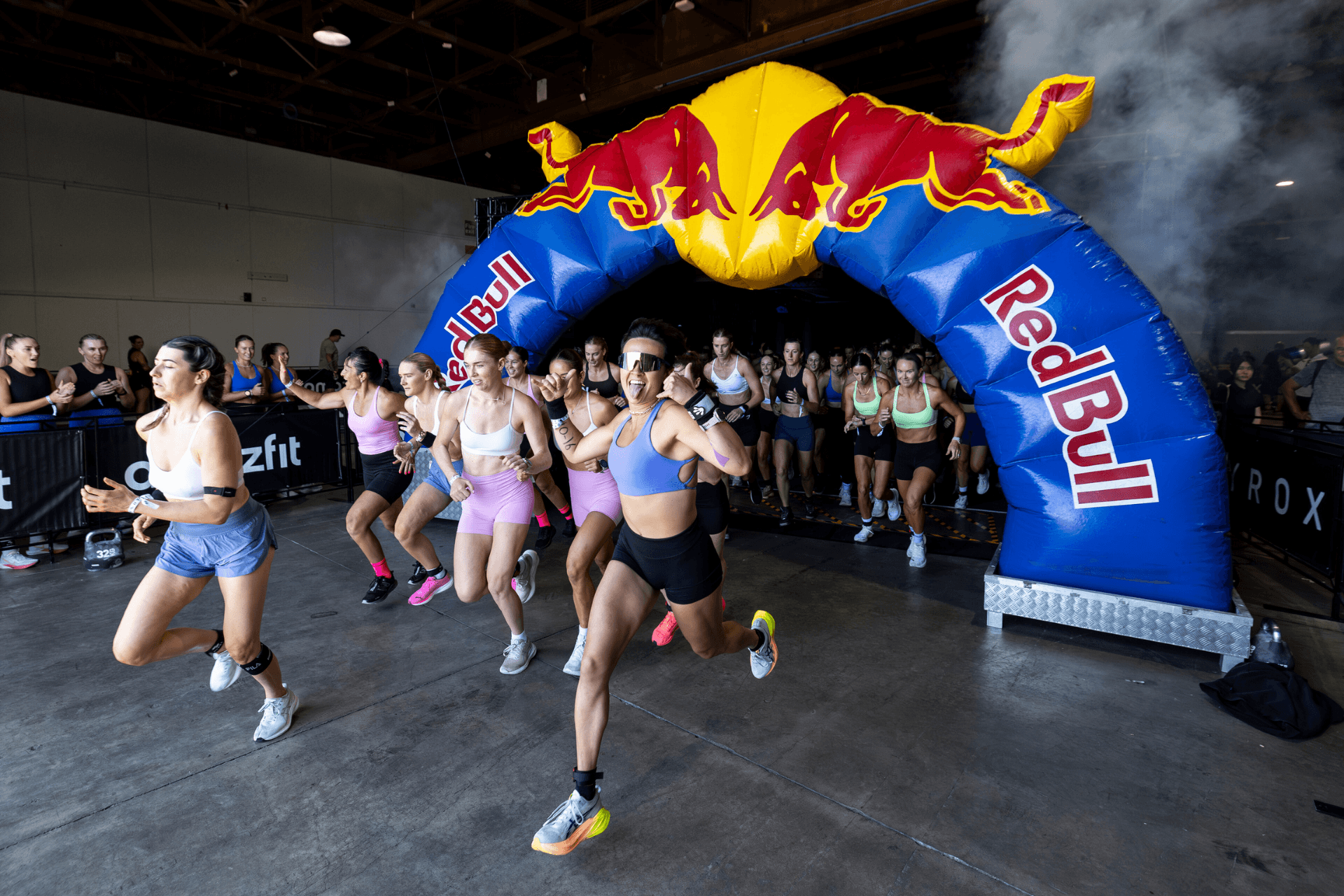
The social-media-first design is reflected clearly at HYROX races. Arena-style layouts, a DJ playing upbeat music, lighting, and loud crowds create moments designed to be filmed, shared, and replayed. Spectators are not passive. The crowd becomes part of the product, and part of the content.
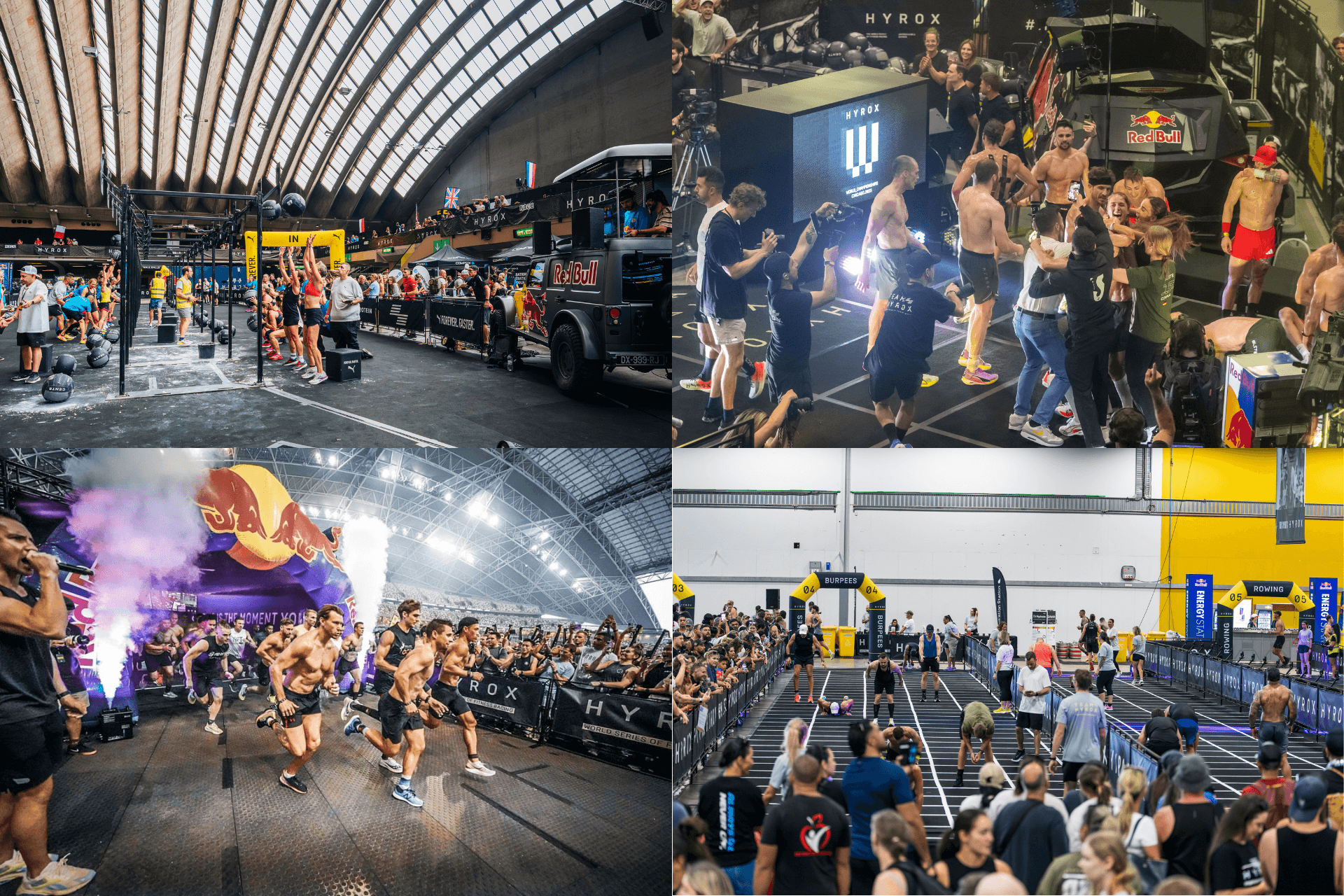
HYROX does not just reward finishing. It rewards belonging made visible.
That visibility continues after race day. Participants can purchase personalised photos and customised memorabilia, which often circulate widely on social media. Some go further, commissioning professional videographers to document their participation in detail.
In turn, for many first-time participants, discovery does not happen through traditional marketing, advertising, or race calendars. It happens through social feeds. They sign up because they have seen people like them train, compete, and finish.
Its rise exposes a wider tension in modern fitness events. Not every movement has adapted at the same pace. Some were built on community first, but have struggled to translate that culture into a social-media-native world. That contrast is clearest when HYROX is set against CrossFit.
HYROX is not alone, but it is ahead. It was built for visibility and identity from day one. Meanwhile, others are just learning how to layer it in later.
Legacy endurance brands such as IRONMAN are adapting, with younger participants, greater emphasis on race experience and renewed focus on storytelling and visibility. Hybrid formats like DEKA Fit reflect a deliberate shift by Spartan, moving from extreme obstacle racing toward tiered, spectator-friendly competitions built for broader participation.
HYROX is not yet as popular as city marathons. Participation numbers remain a fraction of major marathon fields, and its footprint is still smaller in absolute scale. However, its growth trajectory — driven by visibility, accessibility and community-driven sharing — suggests ambition beyond niche status.
The Finisher-Video Scramble (and What It Reveals)
Despite these shifts, many mass participation events still operate on older assumptions.
Post-event media is still largely designed to document the event, rather than recognise the participant. Value remains concentrated at the finish line, while post-event engagement is treated as an afterthought.
Medals and generic highlight reels were designed for a time when participation was private and memory lived offline. In the Social Participation Era, they often fall short.
The growing offering of personalised photos marks progress. It signals greater attention to individual participants. However, still images rarely convey the full experience of a physical event. They show presence, not effort. They show appearance, not emotion and atmosphere. These are the vibe participants actually value. What participants remember—struggle, momentum, release—often happens in motion.
Sensing this gap, some organisers have begun experimenting with personalised or semi-personalised videos. But the rush to “add video” often reveals a deeper misunderstanding.
A finisher video is not automatically personal. A highlight reel is not automatically shareable. Content alone does not guarantee connection.
Videos travel further when they show context, movement and emotion; when they allow participants to say: “This was me. I was there.” However, too often, participants see themselves only briefly, poorly framed, or lost in a crowd. Many choose not to share at all.
Timing compounds the problem. When videos arrive days or weeks later, the emotional peak or hype has passed. The moment is missed.
What this scramble reveals is clear demand, but limited capability.
To date, personalised video in participation sports events is not yet standard practice, and adoption remains uneven. That uneven uptake is constrained by sponsorship models, technology choices, and outdated experience design.
What This Means for the Next Era of Mass Participation Sports
Mass participation sports events are no longer just operational challenges. They are experience platforms.
The next era will favour events that:
design for social sharing, not just logistics
treat participants as storytellers
build memory and belonging into the event itself
Recognition is no longer an add-on. It is part of how modern participation functions.
By 2026, the question will no longer be whether events should adapt, but how early they did.
Are you still designing participation sports events to end at the finish line, or are you designing for what participation has already become?
The more useful question is whether events are structurally ready to deliver recognition at scale, on time, and in a way that reflects the participant experience rather than merely documenting the event.
Is the team equipped to do it? Are the right creative partners in place? And do the tools and technology actually support it?
Get Started with Personalised Videos
Personalised race or finisher video is one of the most complex recognition formats to deliver well. When done right, it becomes a powerful differentiator and a new avenue for marketing or revenue.
It directly addresses the core challenges of modern participation: delivering recognition at scale, doing it on time, and making it feel genuinely personal.
If you’re exploring how this could work for your event, piloting personalised race videos with CrowdClip is a simple way to start.
Talk to our Experts
FAQ
What are mass participation sports events?
How popular are mass participation sports events?
What makes participation sports different from professional sports events?
Which country has the most mass participation sports events?
Why are mass participation sports events investing more in participant content and recognition?
Last updated: Feb 20, 2026
ABOUT THE AUTHOR

Senior Content Writer
Alicia is a long time event lover - from connecting community to sharing and delivering content. Early in her career she coordinated events, including fundraising events and corporate functions. Today she leads the marketing function at CrowdClip and is enthusiastic about the ways AI can help event marketers.