How Gen Z and Women Are Redefining Participation Race Events
This article is part of our Mass Participation Sports series.
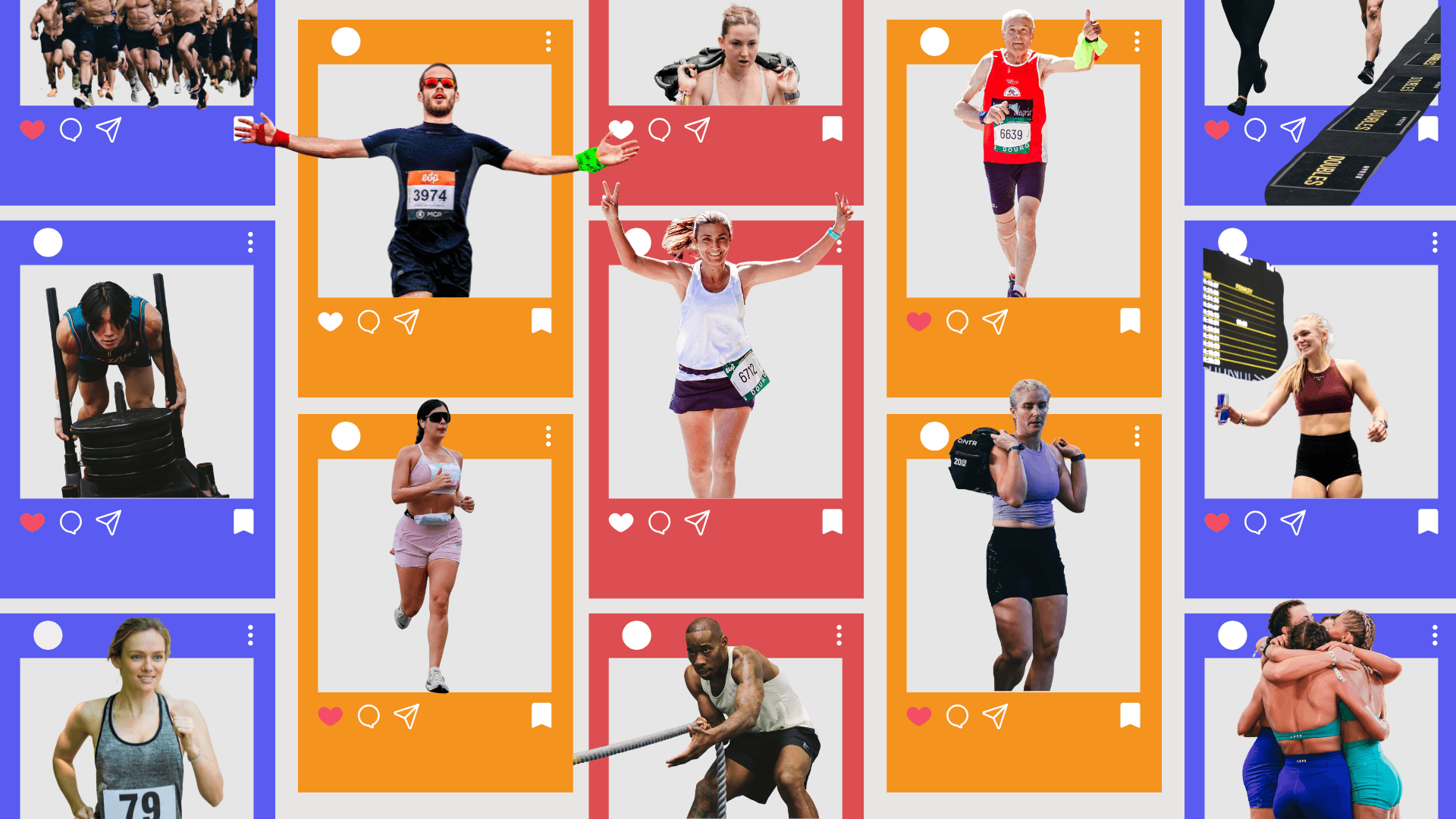
Marathons, triathlons, trail runs, HYROX, Spartan Race, and fun runs have become part of everyday conversation. Or more accurately, part of the social media feed.
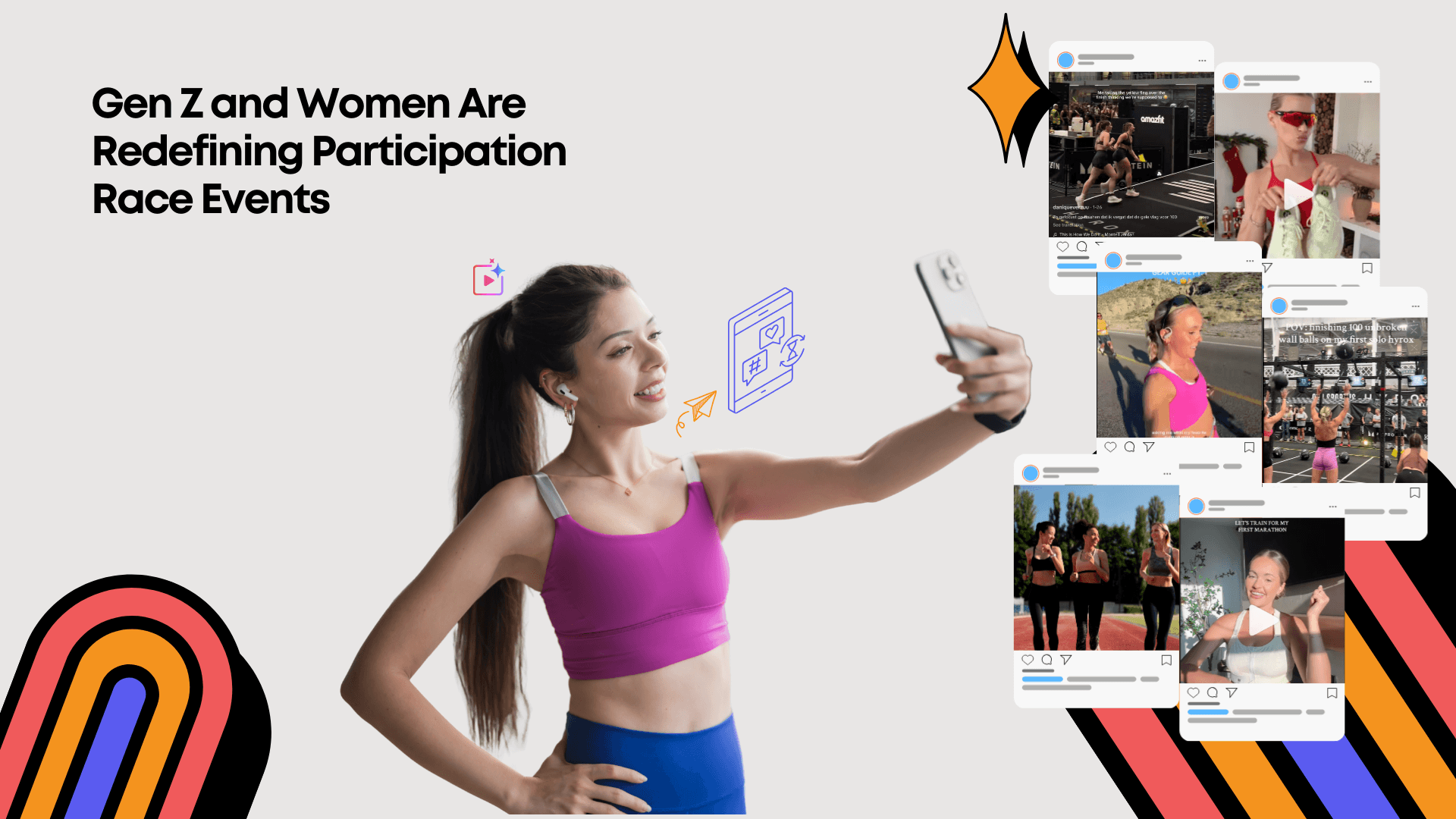
What was once a niche now circulates daily through training posts, race-day clips, and finish-line moments shared in real time. As we frame it, this is the Social Participation Era.
At the centre of this shift is a digitally native group reshaping how mass participation events are experienced. They make participation social, visible, and more inclusive than traditional event models were designed for.
This article is written for organisers and sponsors trying to keep pace with that reality. It examines who is driving participation growth today, what influences their event choices, and where existing formats and engagement models are starting to fall short.
Key Takeaways
Gen Z is driving growth in mass participation sports. This generation discovers and evaluates races primarily through social media.
Women represent the largest untapped growth segment. Visibility, community design, and representation are key drivers of female entry and retention.
Participation is now personal and social. For many younger participants and women, races serve as status symbols that are meant to be shared.
Personalised content attracts and strengthen loyalty for Gen Z and women participants.
Event marketing must operate year-round. Race relevance is built continuously through searchable, shareable participant stories.
Gen Z Is No Longer the Future Audience
Younger adults are now the fastest-growing segment in mass participation sports.
Data from the Global Running Culture Report 2025 released by Redtorch and Running Industry Alliance shows under-30 finishers rising across major city races. You can see it in the New York City Marathon, Los Angeles Marathon, Sydney Marathon, Tokyo Marathon, and other popular races. In triathlon, IRONMAN reports a 39% increase in first-time athletes under 30 since 2019.
This generation grew up online and inside algorithms. They can spot exaggeration, empty hype, and forced branding instantly. As a result, they value clarity over gloss, usefulness over hype, and authenticity over performance.
For Gen Zs, social platforms have replaced search. Events are discovered, evaluated, and chosen inside feeds, not on landing pages.
This is why participant-led content, such as UGC, short for user-generated content, now outperforms polished official event marketing campaigns. Social proof pulls younger runners in faster than traditional marketing ever could.
For organisers, a race’s digital presence is no longer promotional. It needs to function as evidence of access, atmosphere, community, and belonging. Photos, and especially videos, should be findable well before the event to help them decide whether the event is for them.
For sponsors, particularly fitness brands, this is a highly receptive audience. Gen Zs continue to invest heavily in fitness, from shoes and wearables to training and recovery. Events that foreground real participant stories create the strongest alignment for brands built around lifestyle, performance, and community.
This is where many events fall behind.
Visibility is still treated as something that peaks at launch and race week. In reality, relevance is built continuously through participant stories, shared moments, and content that feels personal rather than produced.
For organisers and sponsors, the task has shifted. It’s no longer just about awareness or entries. It’s about enabling participation to move socially, visually, and emotionally before and after race day.
The advantage doesn’t go to the loudest brand. It goes to the most human one.
Women Represent the Largest Untapped Opportunity
Searches for women-specific running gear have surged globally, from shoes like HOKA, apparel to eyewear and accessories. Participation in women-only events such as Carrera de la Mujer has also grown sharply, pointing to demand for experiences designed with women in mind rather than adapted afterward. Data from the International Trail Running Association (ITRA) shows that women’s participation in trail running has risen steadily.
Yet participation still lags far behind its potential. Globally, women make up only around 30% of marathon runners, and their representation in long-distance triathlon remains significantly lower.
The gap is most pronounced in triathlon. While markets like the US and Canada have seen modest gains, women account for only about 18% of participants in IRONMAN events and roughly 26% in IRONMAN 70.3 races. In many countries, women’s participation has recovered far more slowly post-pandemic than men’s.
According to IRONMAN’s survey, women who have not yet entered endurance events say they would be more likely to participate if race experiences felt more supportive, communities more welcoming, and women’s participation more visible. Among women already competing, visibility stands out even more clearly. Around 40% identify increased visibility as the single most important lever for growing female participation.
Research also shows that women’s loyalty in sport is driven less by isolated competition and more by community, shared meaning, and social reinforcement. Formats that prioritise performance alone tend to favour men. Formats that prioritise belonging bring more women in.
When organisers address this, the impact is immediate. Experiences that prioritise visibility, community, and recognition do more than improve satisfaction. They unlock participation that already wants to exist.
For sponsors, particularly in fitness and lifestyle, women’s participation represents long-term loyalty when brands show up through fit-first design, credible female voices, and everyday athletes rather than abstract ideals.
The opportunity is not to convince women to care about participation sports. They already do. The opportunity is to build events where they can see themselves before race day, during the experience, and long after the finish line.
Participation Is Social
One thing is clear for many Gen Z and women. Races, for them, are life markers or status symbols.
It’s about motivation, discipline, and transformation. People train for them, plan travel around them, and invest in them because they represent progress they’re proud to share. Participation has become personal.
However, this audience isn’t chasing podiums and medals first. They’re chasing meaning, identity, and connection. A shift from solo performance to shared experience, community belonging, and collective price.
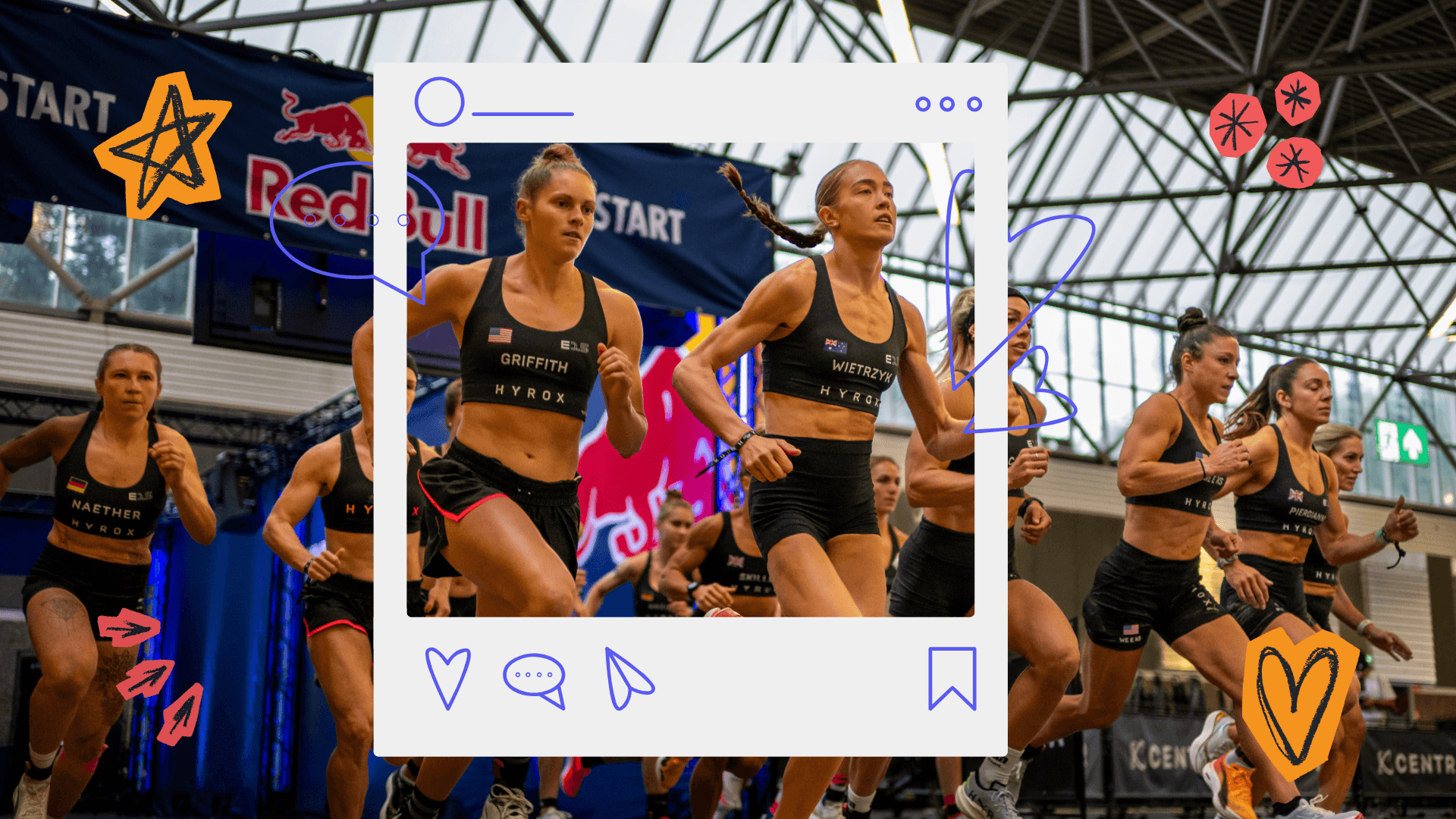
You can see it in formats like HYROX, which is growing fast by blending into travel, festival energy, and shared experience, rather than pure competition. Even major marathons rely on lotteries that are shared, debated, and celebrated online like exam results.
Because participation is social, decisions happen early. Everything is planned emotionally and socially far in advance.
And it’s why mass participation events can’t market once a year anymore. In the Social Participation Era, relevance is built 365 days.
How This Fits Into the Bigger Picture
This shift reflects a broader transformation in mass participation sports. We explore it in depth in our article, What’s Changing in Mass Participation Sports Events, which examines how discovery, decision-making, and value creation now happen across social platforms rather than traditional event funnels.
One implication for content planning is immediate.
For participants who train for months and share their journey publicly, photos or a single generic recap no longer reflect the experience. Visibility, recognition, and personal moments in motion increasingly determine how events are remembered, and whether participants return.
That is where personalised content, particularly personalised video, fits in. Not as a novelty, but as infrastructure for recognition, visibility, and lasting connection.
Talk to our Experts
FAQ
Why are marathons becoming a status symbol for Gen Z?
How does Gen Z’s motivation for races compare to Millennials and Gen X?
How does participation psychology differ between men and women in endurance and mass participation events?
How can organisers attract more women and Gen Z participants to race events?
How can sponsors maximise ROI from Gen Z and women in marathons and participation sports events?
Last updated: Mar 3, 2026
ABOUT THE AUTHOR

Senior Content Writer
Alicia is a long time event lover - from connecting community to sharing and delivering content. Early in her career she coordinated events, including fundraising events and corporate functions. Today she leads the marketing function at CrowdClip and is enthusiastic about the ways AI can help event marketers.