How Social Media Is Reshaping Mass Participation Sports
This article is part of our Mass Participation Sports series.
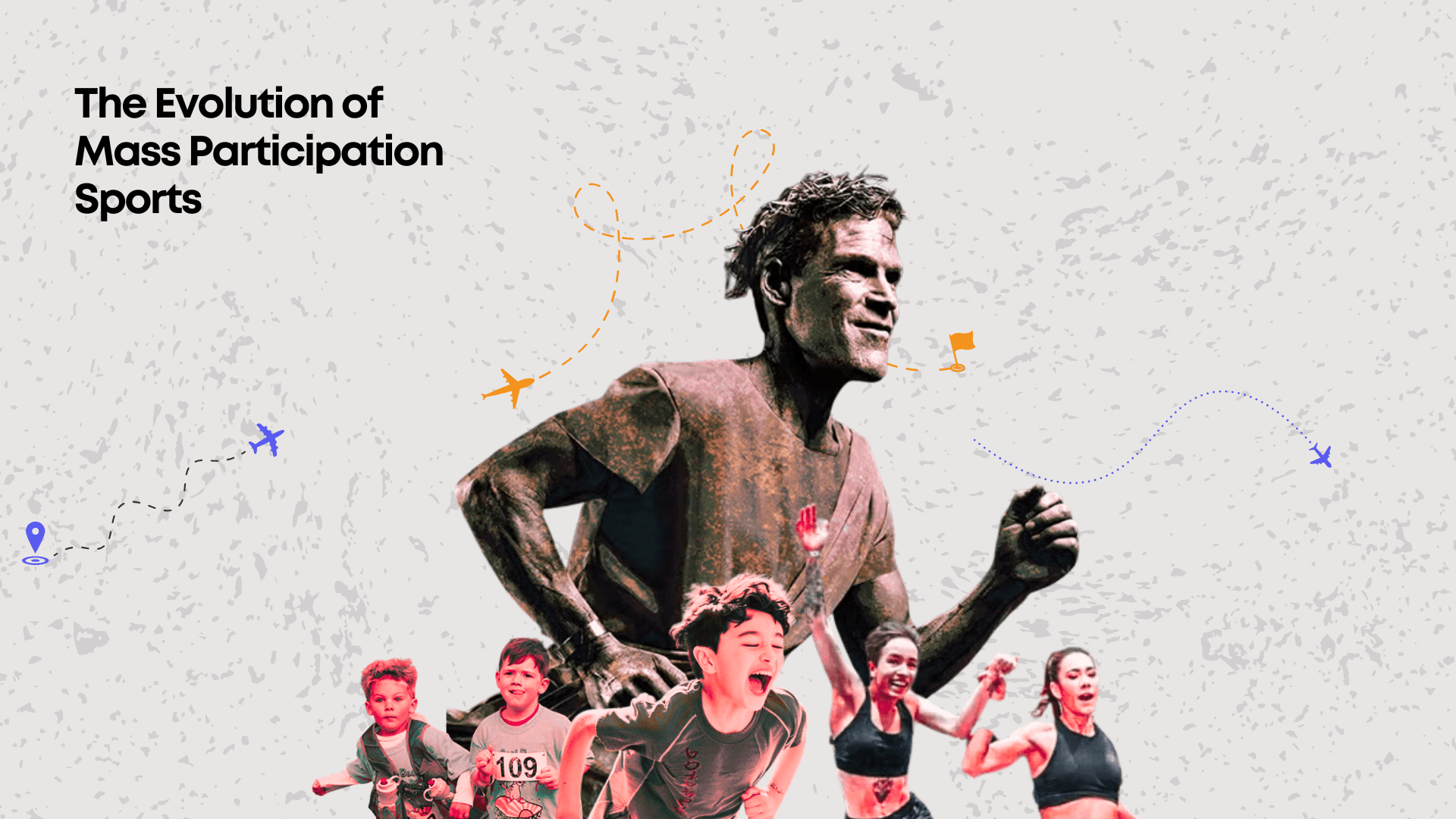
In almost any city now, mass participation sports events feel everywhere. On any given weekend, there’s a menu of choice: a city marathon, a charity fun run, a trail race, a triathlon, an obstacle course like Spartan, or a hybrid fitness event such as HYROX or DEKA Fit.
For organisers and sponsors, this looks like another boom and that’s good news. But this boom works differently.
Social media is why. We’re entering an era where events don’t just compete on distance, difficulty, or prestige. They compete on how they’re discovered, discussed, experienced, and shared online.
This shift sits within a broader transformation happening across mass participation sports events. Events that fail to adapt risk fading from relevance, a challenge even previously dominant brands like CrossFit have had to confront.
This piece explores what has changed beneath the surface and what organisers and sponsors need to understand as mass participation sport enters a new era.
Key Takeaways
Social media now drives how mass participation sports are discovered, experienced, and remembered.
Participation has shifted from private achievement to public, shareable identity.
User-generated content lowers the psychological barrier to entry for new runners.
Events are evolving into lifestyle experiences blending sport, entertainment, and community.
Personalised race photos and videos are becoming baseline expectations, not add-ons.
Organisers who design for visibility and personalisation will lead the next growth cycle.
The Social Participation Era in Mass Participation Sports
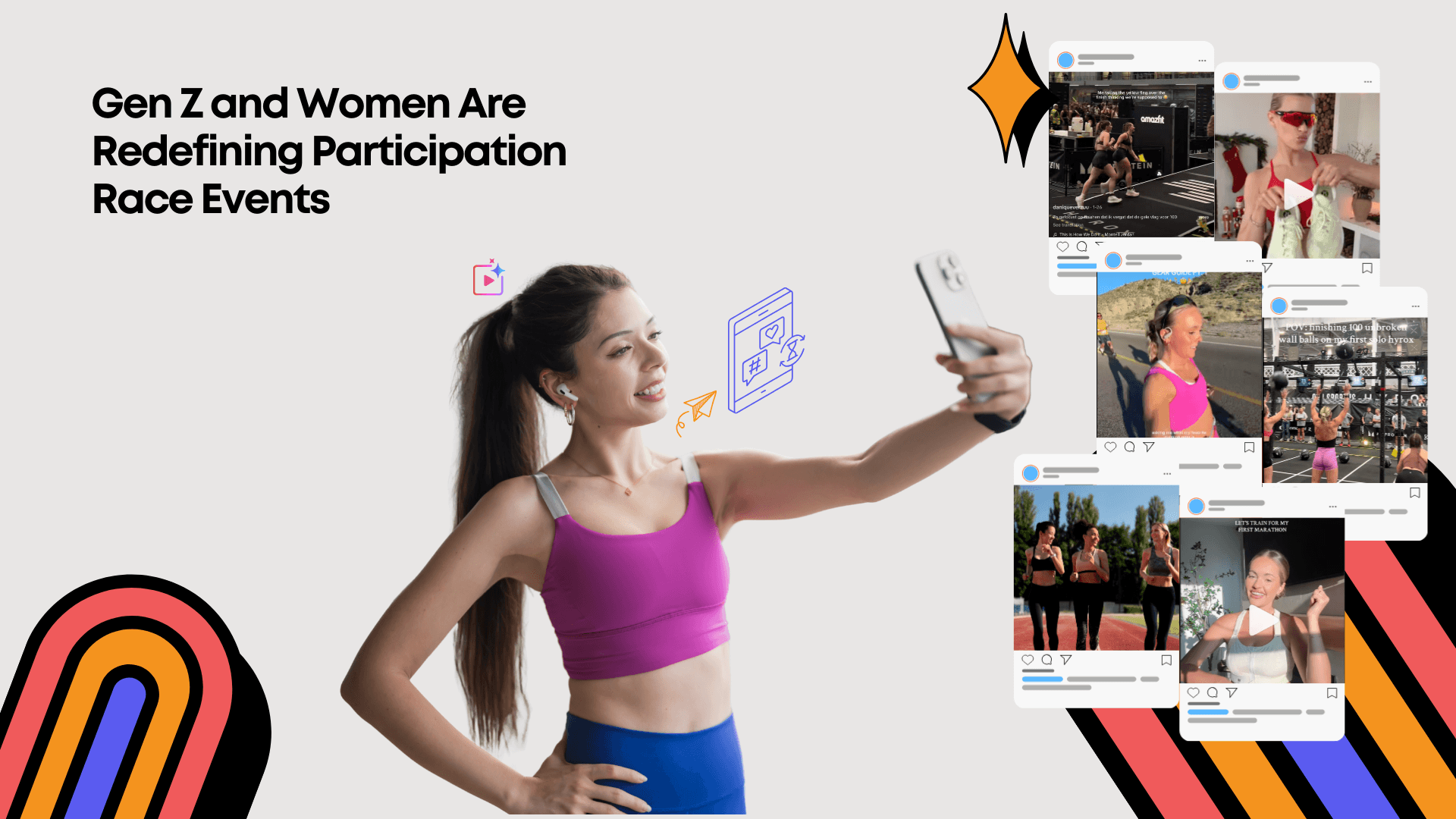
Scroll through your feed. A former schoolmate posts their first 5K logged on Strava. A colleague shares a shaky race-day clip with the caption “never again,” and then signs up for the next one. Someone you follow documents their HYROX training, week by week. Another posts a finish-line photo, medal held up, sweat still visible. One by one, people who never thought of themselves as “sporty” are suddenly part of it.
This is the Social Participation Era.
Mass participation sports have become impossible to ignore. So visible that, as Virgin observes, you don’t have to run to be part of it. Your social media feed already does that for you.
As Alessio Punzi, Head of Running at World Athletics, puts it, this digital layer is where the culture takes shape. Participation sports have now become social signals and cultural markers, much like music festivals once dominated feeds.
Participation no longer flows top-down from organisers’ announcements or race calendars. It moves sideways, through social feeds and communities. This is a pattern sports marketing global leader, Infront, has also repeatedly observed.
Mass participation events are no longer simply entered. They are watched, shared, followed, and recognised. They are discovered, judged, and remembered much like food, travel, or fashion.
Social media is no longer a promotional layer that is optional for event marketing, but a part of the event design itself. Platforms like TikTok, YouTube, Instagram, and Facebook will increasingly decide which events will thrive and which fade.
To understand why social media has become so powerful, we need to look at how it has rewired the psychology of participation.
How Social Media Lowers the Barrier to Entry
For a long time, signing up for a race felt like a big psychological leap.
You needed confidence. You needed to feel ready. You needed to believe you belonged. Discovery came from clubs, posters, or reputation. Commitment was private, and motivation lived mostly inside your own head. If you didn’t already see yourself as a runner, most events felt intimidating.
Social media quietly dismantled that barrier. Today, people arrived warmed up. They’ve already watched others like them go first.
If you want proof that social media now is the centre of the participation funnel, start with discovery.
Look at any trending list. Hashtags such as #marathon, #funrun, #RunTok, #HYROX, #IRONMAN, #SpartanRace, and others generate millions of posts, largely from everyday participants sharing content that is raw, repetitive, and deeply relatable.
That visibility creates a feedback loop. Participation inspires participation. When friends, colleagues, or favorite creators share their experiences, sports events feel more relevant, more achievable, and more worth committing to because people see others like them doing it.
Consideration happens in captions, reels, comments, DMs, and forums: Was it well organised? Beginner-friendly? How was the course? Long before registration opens, the decision has already begun forming.
This is how social media lowers the psychological barrier. It replaces uncertainty with familiarity. Fear with preview. Intimidation with repetition.
Research analysing thousands of posts around major sports events backs this up. It has shown that user-generated content, popularly known as UGC, tends to be more experiential, more positive, and more relatable than official marketing. In practice, the stories that travel farthest usually come from the crowd, not the brand.
The result is a shift in motivation.
People still want to challenge themselves, but they are no longer driven only by performance or personal discipline. They are drawn in by atmosphere, by social proof, by the sense that people like me do this. The question quietly changes from “Am I good enough?” to “Why not me?”
That is the psychological rewiring at the heart of modern participation, and it explains why so many new participants now cross the line.
Participation Sports Became a Lifestyle Event
Once the psychological barrier is crossed, something else takes over.
Traditional participation sports were simple by design. You registered. You showed up. You ran. The race was the goal.
Today, participation looks different. Social media has reshaped expectations from the very first touchpoint.
Registration that feels like a lottery or a concert ticket drop. The similar thrill of unboxing moments with their race kits. Their name on the bib or shirt. Personalised email reminders with countdowns. Photos and videos that will show their own timing results, faces, and form.
Every detail counts. Participants want experiences that feel personal, intentional, and worth sharing at every stage.
That’s also why popular races now blend fitness with entertainment, identity, and community.
Where aid stations once offered little more than water and bananas, many events now feature themed refreshment stops, local flavours, and branded activations.
Cities package races with travel itineraries.
Organisers design photography zones, finish-line moments, and media experiences that give participants something tangible to remember and share.
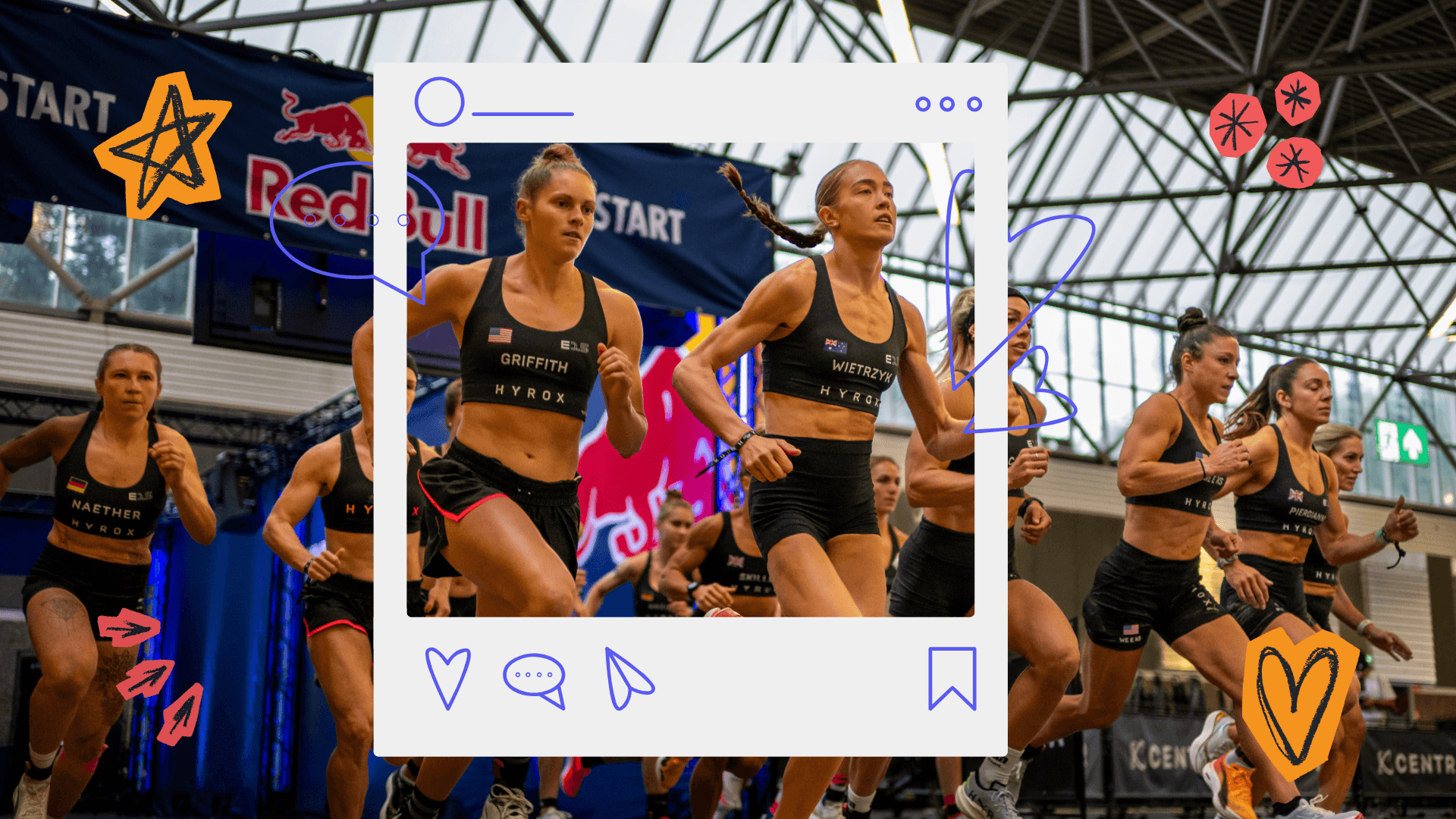
Formats like HYROX make this shift especially visible. Lighting, staging, arenas, sponsors, and finish layouts are built to be striking from every angle. The environment itself is part of the appeal. It looks good. It feels big. It makes the effort visible.
Participation has become something people prepare for emotionally and socially, not just physically.
Runners think about outfits, shoes, and gear not only for performance, but for expression. Tech brands like Strava and Garmin, along with Puma, On, Nike, and Adidas, sit naturally inside this world now, because running is no longer just a sport. It's now a lifestyle.
The Rise of Social Media Runners
Out of this system emerged a new archetype: the social media runner.
Sometimes called Insta-runners or runner influencers, these aren’t professional athletes. They’re participants whose journeys unfold publicly. For these runners, participation becomes a narrative arc, told over weeks or months, with registration as the opening chapter and race day as the climax.
A training block becomes a series. A race becomes a reveal. The finish line is no longer the end, but the moment content peaks. And these are what social platforms reward. Algorithms favour consistency, authenticity, and transformation.
Relatability is such a powerful strategy nowadays. Seeing someone with a similar body type, schedule, or pace gets more engagement on social media.
Since this type of participant does not need elite credentials to be influential, this has sparked backlash. Critics point to over-commercialisation, performative running, and the pressure to optimise everything.
The Golden Hour for Organisers and Sponsors
We’re in the mainstreaming stage now. Normalisation is next.
That matters because once expectations lock in, late movers lose leverage. The biggest opportunities belong to organisers and sponsors who build fluency early—across marketing, experience design, operations, and post-event engagement.
It also means content and tech aren’t add-ons anymore. They’re infrastructure.
Smartwatches. Smart shoes. Real-time tracking. Personalised race photos. Personalised finisher videos. These are becoming baseline expectations for how effort gets captured and remembered.
Starting late makes it harder to catch up. This is not just because of budget, but because execution takes learning: where cameras go, what moments matter, what production workflows look like, how comms drive buy-in, how the crew is trained, how content becomes part of the event design.
The organisers and sponsors who understand that early will shape the next cycle, while everyone else tries to catch up.
Start With Personalised Race Videos
In 2026, video remains the king of social media. For mass participation sports events, personalised race videos offer a practical way into lasting visibility and reputation.
We’ve seen this work in smaller-scale events with partners like Podium Sports. CrowdClip personalised race videos turned individual participant moments into shareable proof, stronger credibility, and higher sponsor satisfaction.
If you’re exploring how this could work for mass participation events, pilot it with us, and shape what a personalised race video looks like at scale.
Talk to our Experts
FAQ
How is social media changing marathons and mass participation sports?
What impact does social media have on beginner runners?
Why is HYROX so popular on social media?
What are the biggest trends in mass participation sports in 2026?
How can race organisers effectively promote events on social media?
Last updated: Feb 20, 2026
ABOUT THE AUTHOR

Senior Content Writer
Alicia is a long time event lover - from connecting community to sharing and delivering content. Early in her career she coordinated events, including fundraising events and corporate functions. Today she leads the marketing function at CrowdClip and is enthusiastic about the ways AI can help event marketers.